Mercedes-Benz Transmission Repair
Dedicated to Quality, Dependability & Outstanding Customer Service
Note:
- All transmission rebuilds must have the car present in our shop
- We do not accept transmissions that have been previously removed or shipped to us
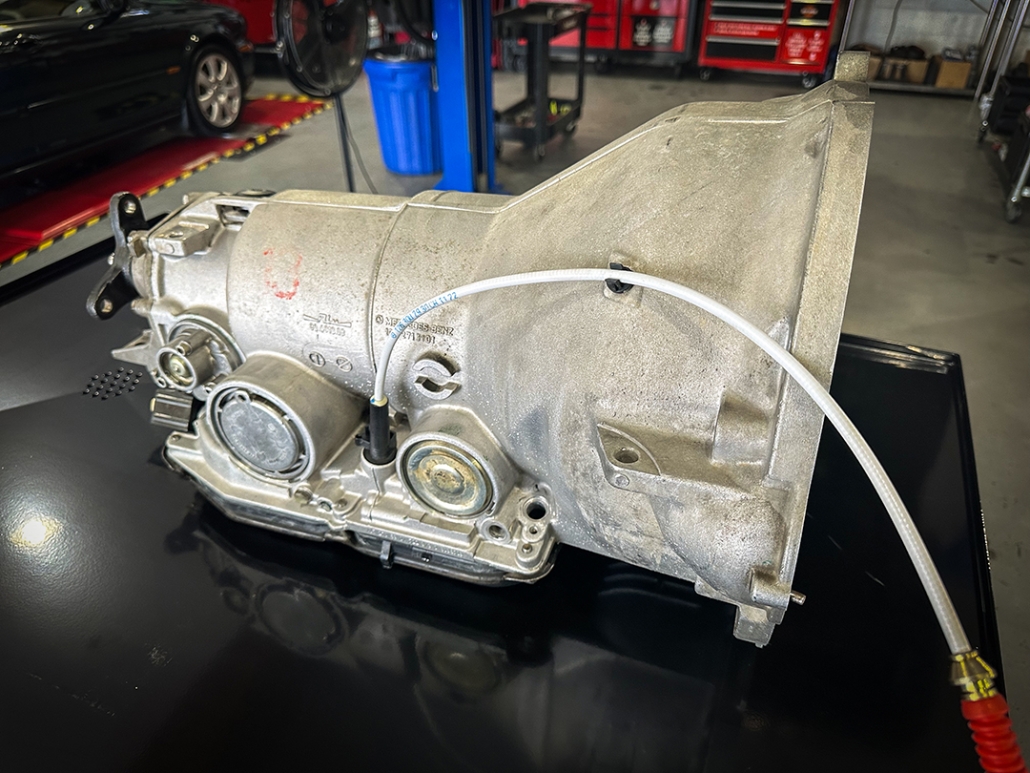
Mercedes 722.3 – 722.6 Transmission Repair
The Preferred Pacific NW Repair Shop for Mercedes Transmission Rebuilding and Service.
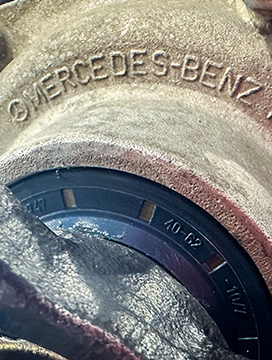
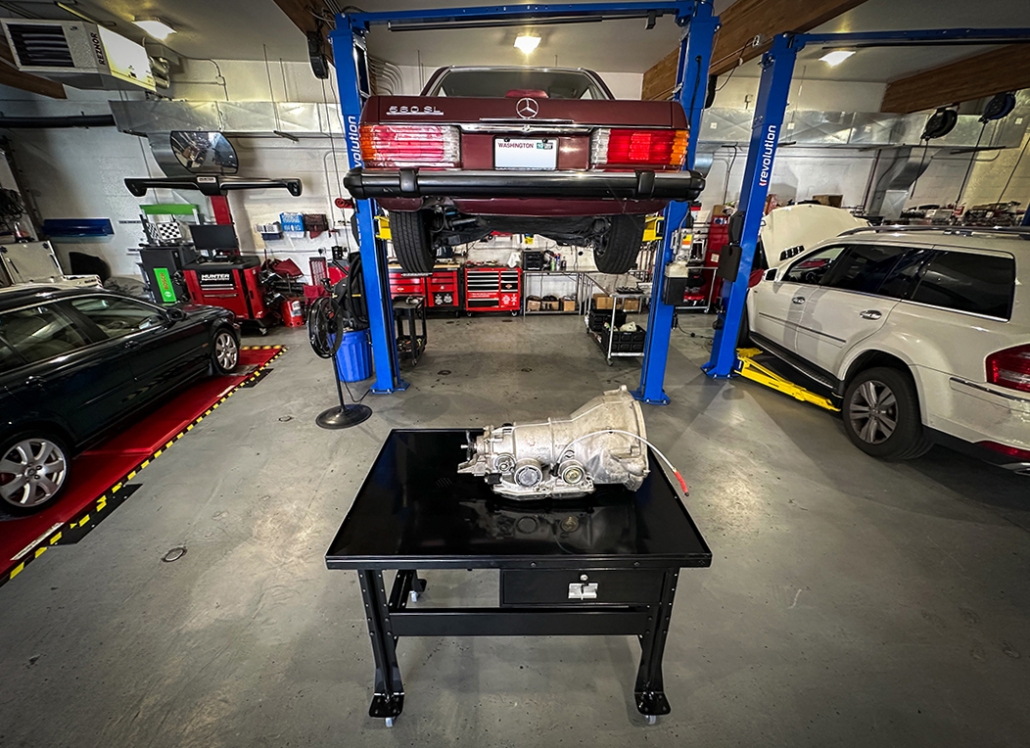
Meister Werks is the Renton Mercedes Transmission service, repair and and rebuilding company. Mercedes owners who care about performance chose us. Servicing many Mercedes-Benz club members vehicles as well.
Our highly trained Mercedes Master Technician can handle any factory maintenance, rebuilding and repair services for your Mercedes Transmission. We will keep it operating at optimal performance levels. From servicing transmissions to resealing and rebuilding your Mercedes transmission, we can do it all. Our Mercedes repair experts will use their knowledge and experience to keep your vehicle purring.
We specialize in W107, W109, W111, W113, W126 W140 W129, & R129. The transmissions we rebuild are 722.3, 722.4, 722.5, & 722.6. We are dedicated to reliable quality service and customer care, all at a fair price.
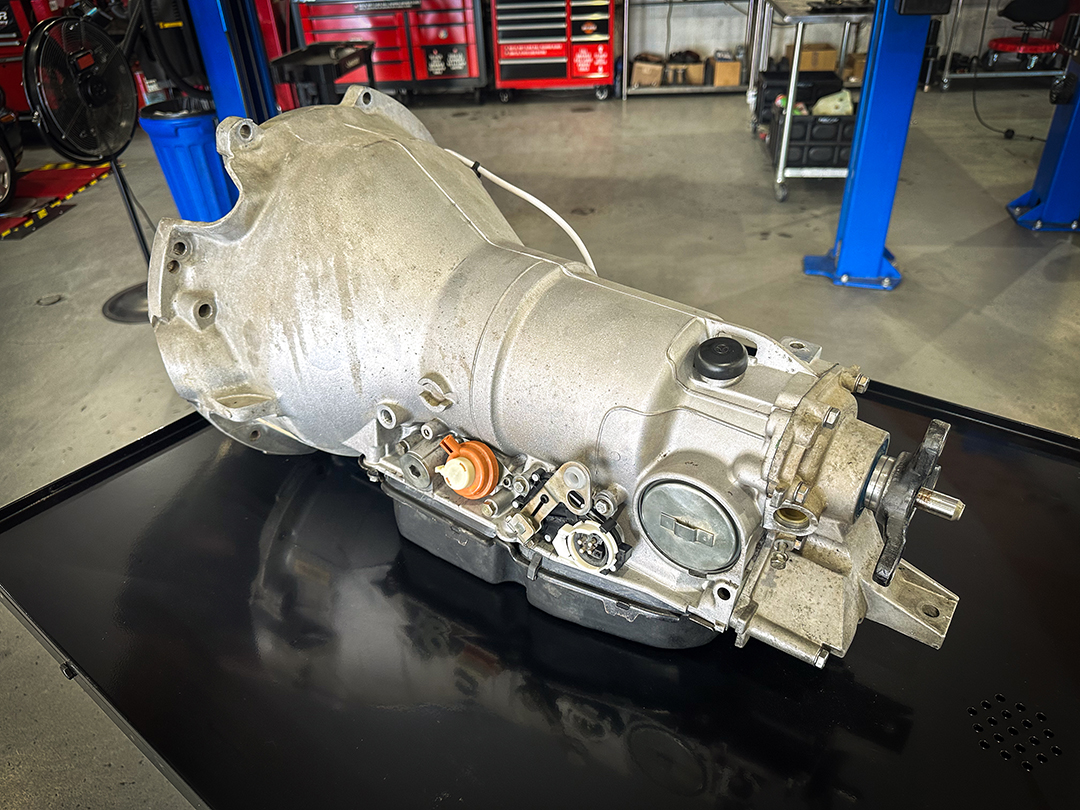
Quality Mercedes Transmission Rebuilding And Service
-
- Our Renton Mercedes maintenance repair experts can handle all factory transmission service at often a lower cost than the Mercedes dealerships
- We will diagnose your problem, repair your transmission, and have you back on the road in no time
- Meister Werks specializes in Mercedes Transmission repairs and services
- Our Mercedes Master Technician has the know how to keep your Mercedes Transmission operating at peak performance
- We are the leading Mercedes Transmission repair shop, so call for a free consultation today
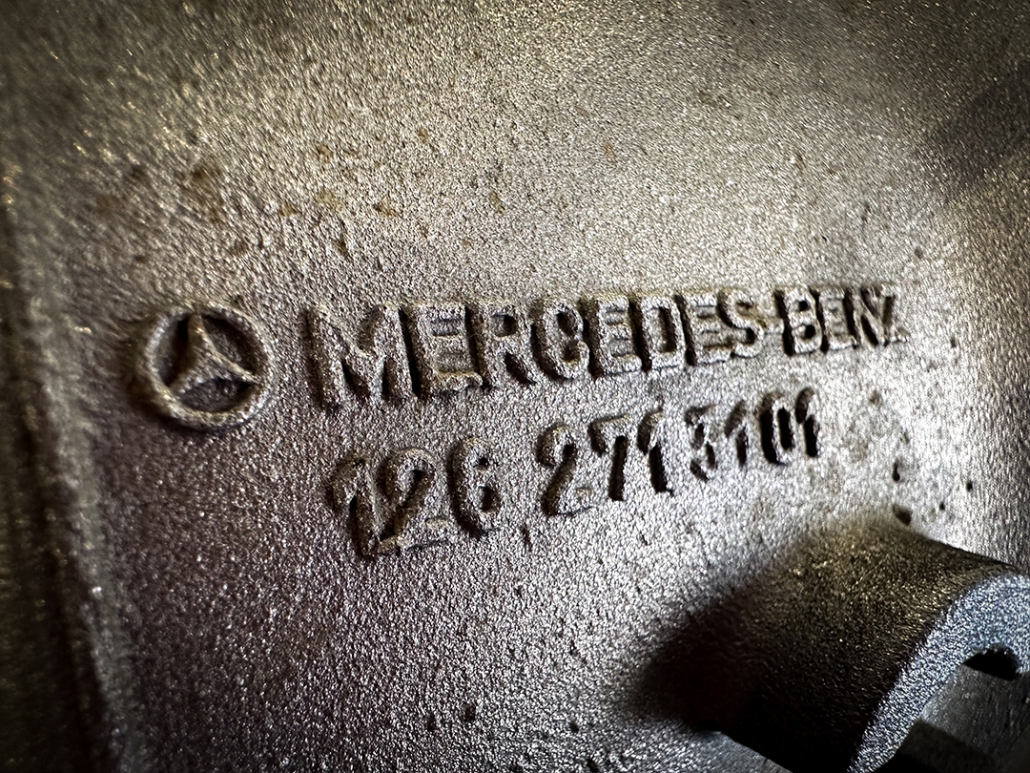
Bring your Mercedes-Benz in ASAP!
If your Mercedes Transmission starts making a strange sound or you notice the check engine light is on, it may be time to let a Mercedes Transmission repair professional take a look at it to see what’s wrong. Keeping up with regularly scheduled service on your Mercedes Transmission is a good idea. We will check for problems before they become catastrophic, and this will save you thousands of dollars.
At Meister Werks, we offer professional Mercedes Transmission services and repairs on all makes and models of Mercedes. Our Mercedes Transmission repair mechanics are professionally trained at Mercedes-Benz in Germany and have decades of combined experience to back it up.
We are eager to be your Mercedes Transmission repair and service shop of choice. Please contact us and experience the highest level of customer care for yourself. Honesty and a fair price make up the foundation of our business philosophy. We always charge a fair price for our work and never try to up-sell our customers on parts and repair they don’t need.
Contact A Qualified Renton Mercedes Transmission Repair Technician Today
As European automobile enthusiasts, we love working on Mercedes vehicles. We appreciate fine automobiles just as much as you do, which is why we treat every Mercedes like it was our own. Everyone at our shop is dedicated to hard work, dependability, and maintaining the highest level of customer care.
We will treat you fairly when it comes to the price, do the job right the first time, and remain entirely honest in all of our business dealings. We’ve earned our reputation for a reason, so contact our Renton Mercedes repair specialists today for your own free consultation.
Mercedes 722.3 – 722.6 Brief History
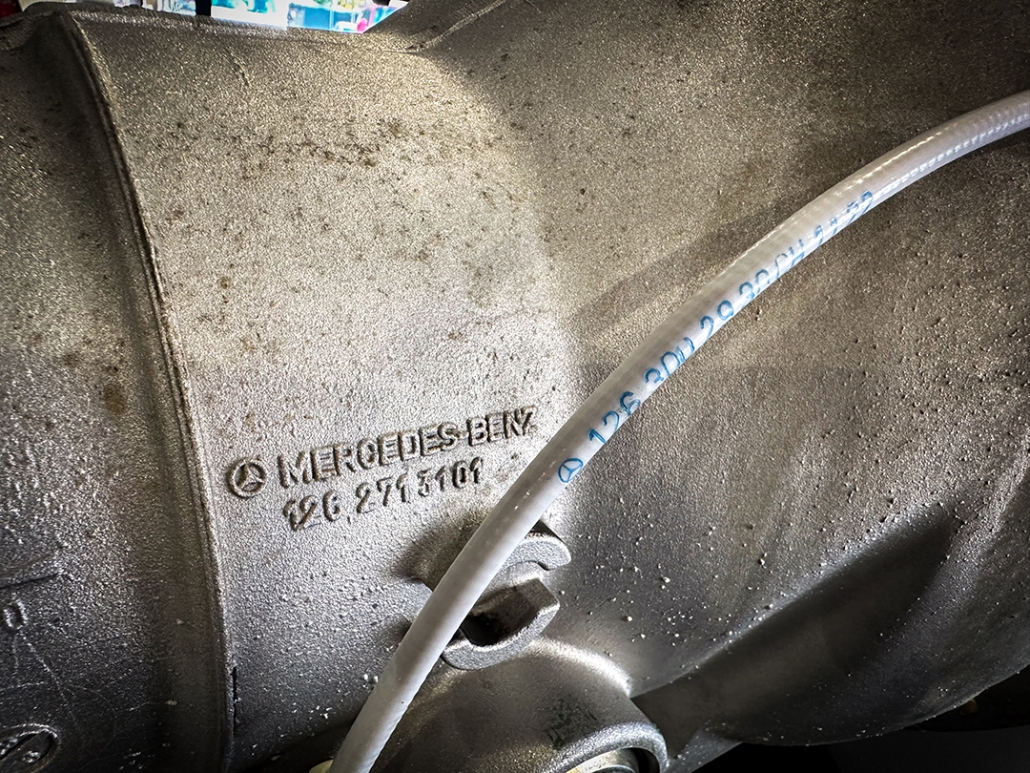
The “722” designation refers to Mercedes-Benz’s long-running family of in-house automatic transmissions. While many manufacturers outsource gearboxes to companies like ZF or Aisin, Mercedes has historically insisted on building their own to ensure they meet specific standards for “Mercedes feel” and longevity. Here is the chronological evolution of the 722 series:
The Hydraulic Era: 722.0, 722.1, 722.2 (1961–1983
Before the 722 became a household name for enthusiasts, these early units established the foundation.
-
722.0 / 722.1: Often found in the legendary W123 and W116 (S-Class). These were mostly 3-speed or 4-speed units.
-
Defining Trait: They used a “fluid coupling” (rather than a modern torque converter) in early versions. They are famously “clunky” by modern standards but virtually indestructible.
The Golden Standard: 4G-Tronic (722.3 & 722.4)
Produced from 1979 to 1996, these are the transmissions that cemented Mercedes’ reputation for “over-engineering.”
-
722.3: The “heavy-duty” 4-speed version used in V8 and large inline-6 models (W126, W124, R129).
-
722.4: A lighter, smaller version for 4-cylinder and smaller 6-cylinder cars (190E, early C-Class).
-
Characteristics: These were purely hydromechanical. There is no computer (TCU) controlling the shifts; instead, they use a vacuum line from the engine and a “Bowden cable” attached to the throttle to determine when to shift.
-
Fun Fact: They were designed to start in 2nd gear from a standstill to provide a smoother, “limousine-like” take-off, only dropping into 1st if you mashed the throttle.
The Transition: 722.5 (1990–1997)
The 722.5 was a hybrid “stop-gap” measure. Mercedes essentially took the reliable 722.3 4-speed and “bolted on” an electronically controlled 5th gear (overdrive) to the back of it. It provided better highway fuel economy but was slightly less robust than its predecessor.
The Electronic Revolution: 5G-Tronic (722.6)
Introduced in 1996, the 722.6 was a massive leap forward.
-
Technology: It was Mercedes’ first fully electronically controlled 5-speed transmission. It featured a lock-up torque converter and “adaptive” shifting (it learns your driving style).
-
Legacy: This transmission was so good it was used by Chrysler, Jeep, and Jaguar (notably in the Hellcats and early V12 Twin-Turbo Mercedes) because it could handle immense amounts of torque.
-
Note: Early units were marketed as “sealed for life” (no fluid changes), which led to many failures. Mechanics later realized that changing the fluid every 40k–60k miles makes them last forever.

Meister Werks European & Import in Renton, the leader in European automotive maintenance, repair, and customization. Offering oil changes, Mercedes Service A, B, and C, brake flush, coolant flush, alignment, brakes, and more. Contact us today! At Meister Werks our goal is to be the best solution for our customers through exceptional service and quality workmanship. Our Warranty and Policies.