The Faulty FRM Module Explained: Why Your BMW or MINI Cooper is Having Electrical Gremlins If you own a modern BMW or a MINI Cooper, it is common that you will have Faulty FRM Module in. You might eventually encounter a day where your car’s electrical system seems to completely lose its mind. For Example, […]
Why Your European Haldex System Demands Attention If you drive an all-wheel-drive (AWD) European car, chances are you are benefiting from a Haldex system. Unlike traditional, full-time mechanical AWD, Haldex is a smart. It utilizes an electro-hydraulic system. In most applications, the car operates primarily in front-wheel drive to save fuel. This will instantly sending […]
The Art of Diagnostics and Repairs: Why Auto Repair Isn’t Always an Exact Science When you bring your European vehicle to a specialist for Diagnostics and Repairs, you likely expect a quick answer. You want to know exactly what is wrong. Furthermore, you will also want a guaranteed price for the fix. Most of the […]
Demystifying the DL501 Your Guide to Porsche PDK & Audi S-Tronic Service Are you confused by Porsche PDK or Audi S-Tronic fluids for your 0B5, 9A7, or 0FD transmissions? You aren’t alone. While they sound like different gear boxes, they all point to the same powerhouse. The DL501 7-speed dual-clutch transmission. Audi owners know it […]
Why replacing rotors is necessary
on European vehicles
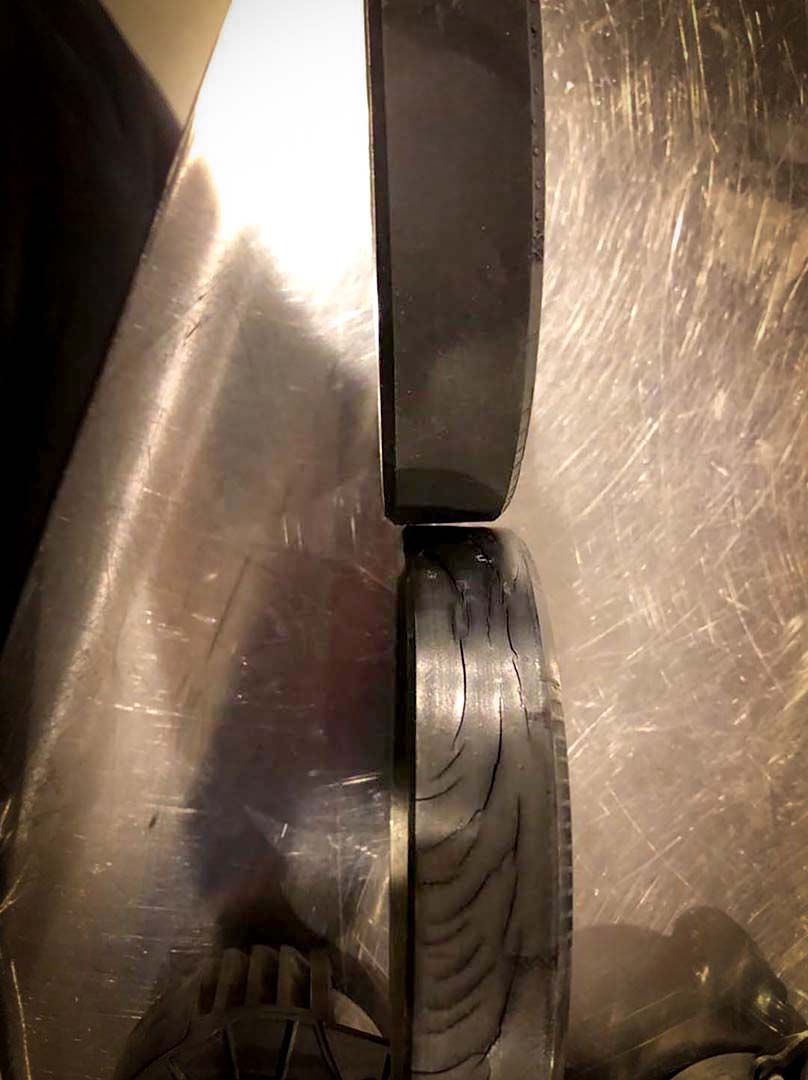
Why is Replacing Brake Rotors with new pads on your European vehicle is necessary? This is because old rotors can have uneven wear, grooves, or be too thin after a full brake pad life, which degrades new pad performance. It is standard practice for German cars like Porsche, VW, Audi, Mercedes-Benz, and BMWs to recommend replacing pads and rotors together as a matching set. This is to ensure optimal braking and prevent issues like noise or shuddering.
 The Reasons Why
Replacing Brake Rotors
is Necessary
- Uneven surface: After a brake pad’s lifespan, the rotor’s surface is no longer flat. New pads require a smooth surface to “bed in” properly.
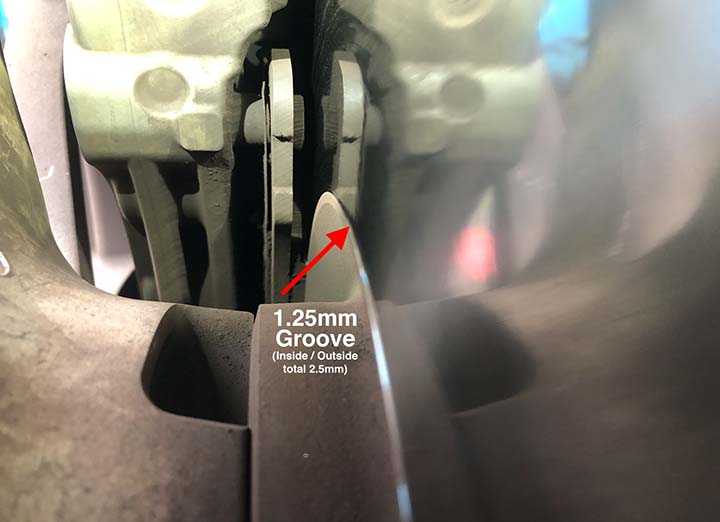
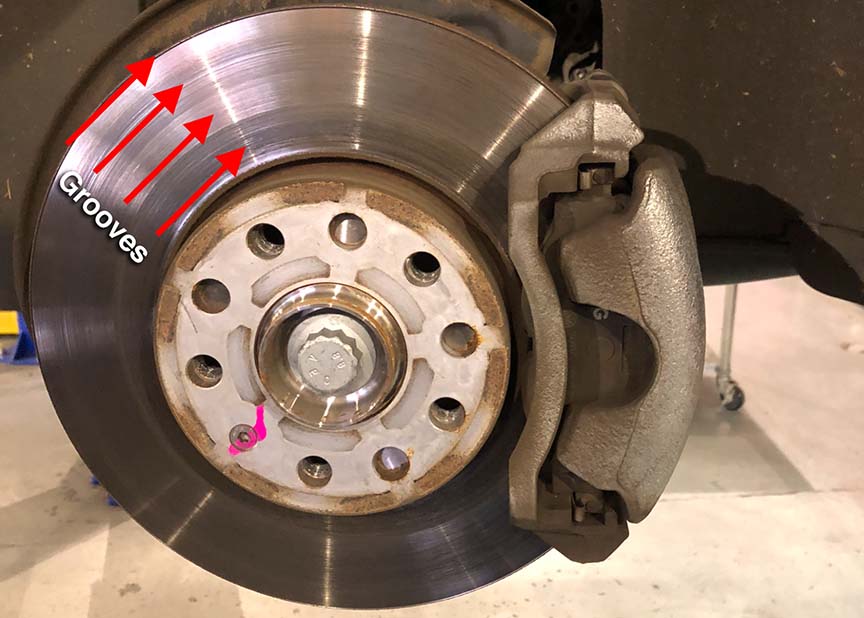
- Grooves and scoring: Worn pads can create deep grooves on the rotor surface, which will prematurely wear down new pads, cause noise, and reduce braking performance.
- Minimum thickness: Rotors have a minimum thickness specification. If they’ve been worn down below this point, they are unsafe and must be replaced.
- Warping: A vibrating or pulsing brake pedal often indicates that the rotor is warped, which is a condition that cannot be fixed with new pads alone.
- German car specific recommendations: German manufacturers like Audi often recommend replacing rotors with every pad service to ensure consistent, high-performance braking.
- Corrosion: Over time, rotors can develop rust or corrosion, especially on the edges. While resurfacing can remove some surface rust, it can be cheaper and more effective to replace them, particularly if there is significant corrosion.
What to do?
- Inspect: Meister Werks qualified service technicians will measure your rotors and pads to ensure they are above the minimum thickness. Furthermore, we check for signs of warping, deep grooves, or excessive rust.
- Replace: If the rotors have wear, grooves, warps, or too thin, they need replacement. After 100% worn pads, the rotors typically need replacement. However, we will let you know the pad and rotor thickness. As a result, it’s highly likely that your vehicle will need new pads and rotors. This is so they operate with proper function and safety.
- Resurfacing is Not a Option: Resurfacing is an option for some vehicles. However, replacing is necessary on all modern European vehicles. This is because resurfacing removes too much material, making them thinner than the worn rotor. Resurfacing seams like it could be cheaper. However, the additional labor time it takes to resurface. This additional labor costs the same as New Brake Rotors.
ACC Alignment? Do you need it? Checking Your European Car’s Safety Systems
Your modern European car is smart, however it may need a ACC Alignment. It may have Advanced Driver Assistance Systems (ADAS). These features keep you safe and make driving easier. Key systems include Lane Departure, Dynamic Cruise Control, and Adaptive Cruise Control ACC Alignment.
But this technology relies on perfect sensor alignment. If the sensors are off, your safety features will not work right. We can check and fix this for you.

How to Know if Your Car Has These Features
These systems use special cameras and radar. Here is how to check your European car:
1. Adaptive Cruise Control (ACC) / Dynamic Cruise Control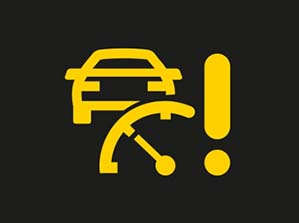
- Look for a Radar Sensor: Check your car’s front grille or lower bumper. You might see a flat, plastic square or a dark plate. This is often where the radar unit is hidden.
- Check the Steering Wheel: Look at your cruise control buttons. Standard cruise control only has a speed setting. ACC has extra buttons. You will see an icon showing two cars with adjustable distance bars between them.
- Test it Out: On the highway, set the cruise control. If your car automatically slows down behind a car and speeds up when the lane is clear, you have ACC.

2. Lane Departure Warning / Lane Keeping Assist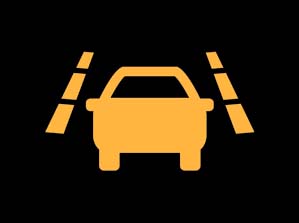
- Look for a Windshield Camera: Look at the top center of your windshield. It is usually behind the rearview mirror. You will see a small camera lens inside a plastic housing. This camera tracks the lane lines.
- Check for a Control Button: Look for a button on your dashboard or steering wheel. It often has a picture of a car veering toward lane lines.
- Watch the Dashboard: If your car has the feature, a small icon of lane lines will light up when the system is active.
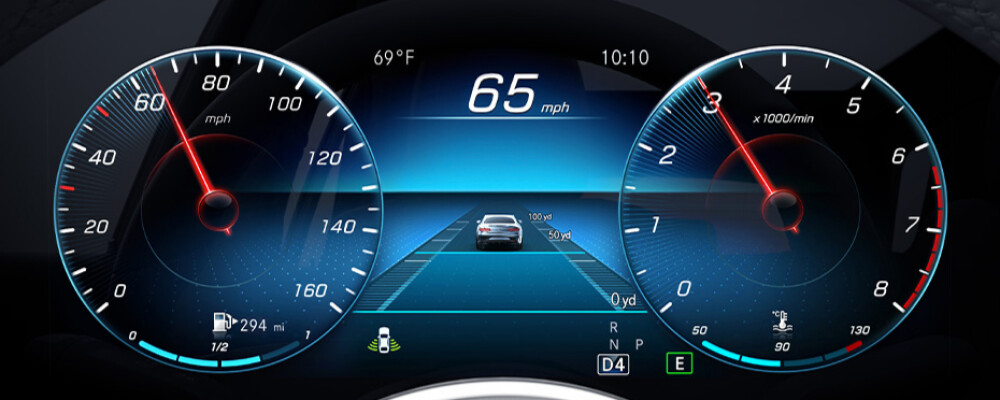
Signs Your Safety Systems Need ACC Alignment Service
Even a small bump can knock these sensors out of position. A perfect ACC Alignment is key for these high-tech parts. If you notice any of these signs, your car likely needs this alignment service.
- Warning Lights are On: Your dashboard shows an error message. It might say “ACC Unavailable” or “Lane Assist Inoperative.” The car is telling you something is wrong.
- Unexpected Braking: Your Adaptive Cruise Control acts strangely. It might brake hard for no reason. It may not slow down fast enough for the car ahead.
- Wrong Lane Alerts: Your Lane Departure system alerts you when you are clearly in your lane. Or, it fails to warn you when you actually drift out.
- Recent Repair Work: Any time your front bumper, grille, or windshield is replaced, the sensors have been moved. Also, a wheel alignment or suspension repair can change the car’s angle. This change affects sensor aim.
The Meister Werks Alignment Solution
We specialize in precision ACC Alignment and ADAS calibrations. We use factory-level tools for your European car. Our experts restore your car’s safety systems to perfect working order. This makes sure your Lane Departure and Dynamic Cruise Control keep you safe.
Do not ignore dashboard warnings. Do not trust an unaligned safety system. Contact Meister Werks today to ensure your technology is protecting you completely. You can contact us at 425-254-0627. You can also schedule an appointment or receive a quote by clicking here. Meister Werks European & Import is located one block south from The Renton Landing in Renton, WA, across the street from the former Boeing Store and at the westside of the Paccar / Kenworth plant.
The True Cost of Cheap: Why Quality European Auto Repair Matters
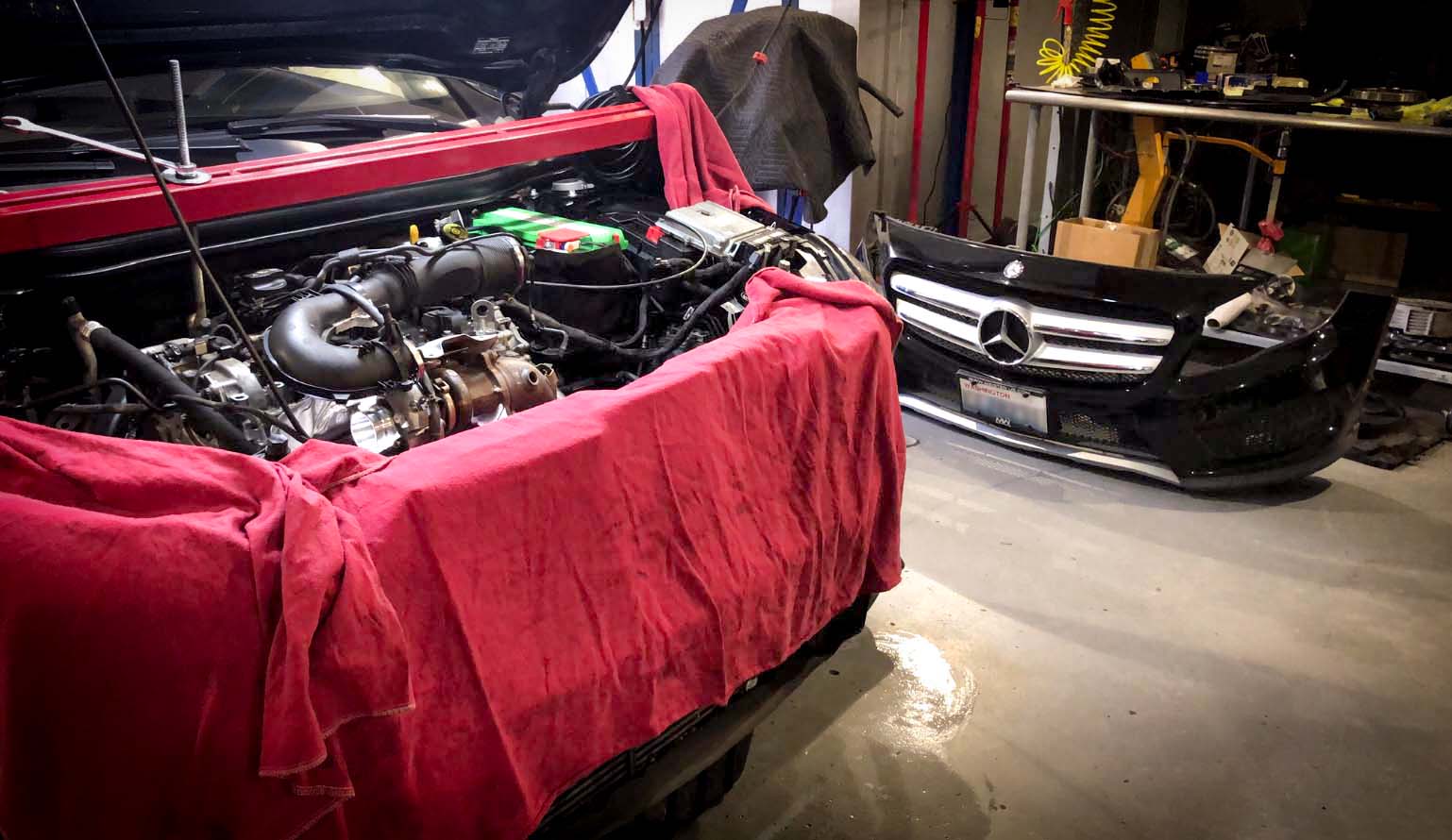
We are often asked to address The True Cost of Cheap & ‘Why do we need to replace additional parts’, when repairing our customers European cars. The answer is, due to European vehicles intricate engineering, these vehicles demand specialized care. At Meister Werks, we understand that quick and cheap fixes often lead to long-term headaches. While attempting to save money upfront, the “band-aid” approach to European auto repair can ultimately cost you more and waste your time. More over, it always makes it more difficult, time consuming, and in the end, more costly by not replacing associated parts during a repair. For example, if your car has 80,000 miles and a part breaks, the associated parts that are not broken still have 80,000 miles on them. Consequently, it is highly likely that those parts will fail when installing a brand new part.
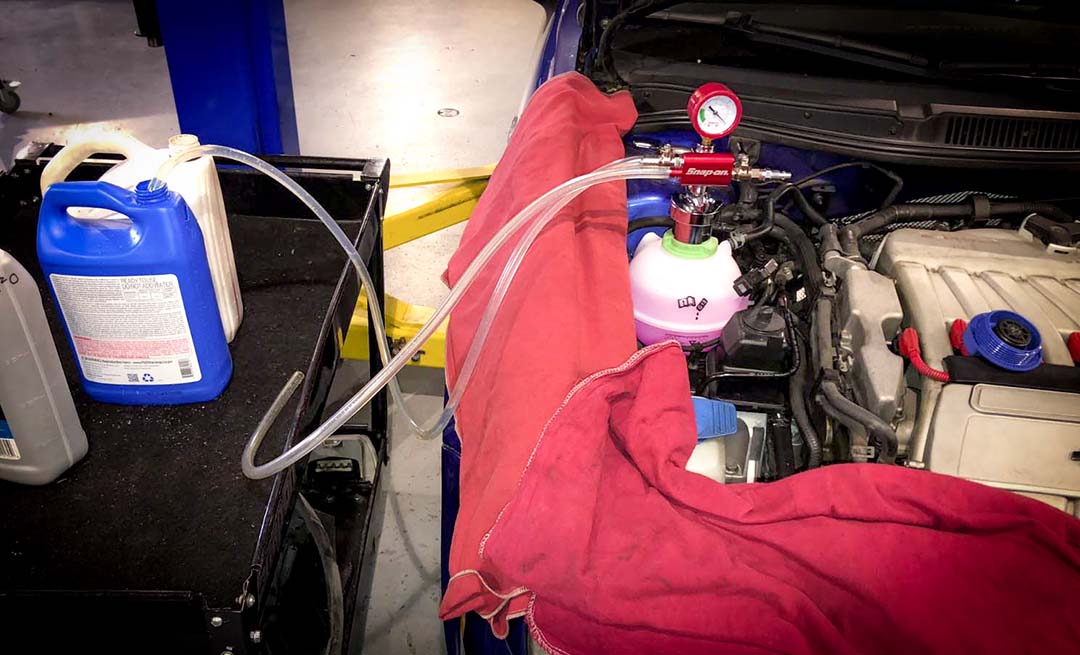
The Pitfalls of the True Cost of Cheap aka “Just the Necessary Part”
The allure of a low-cost repair is understandable. However, focusing solely on one failed part ignores the interconnected nature of your vehicle’s systems. When a component fails, it often indicates underlying issues or accelerated wear in related parts.
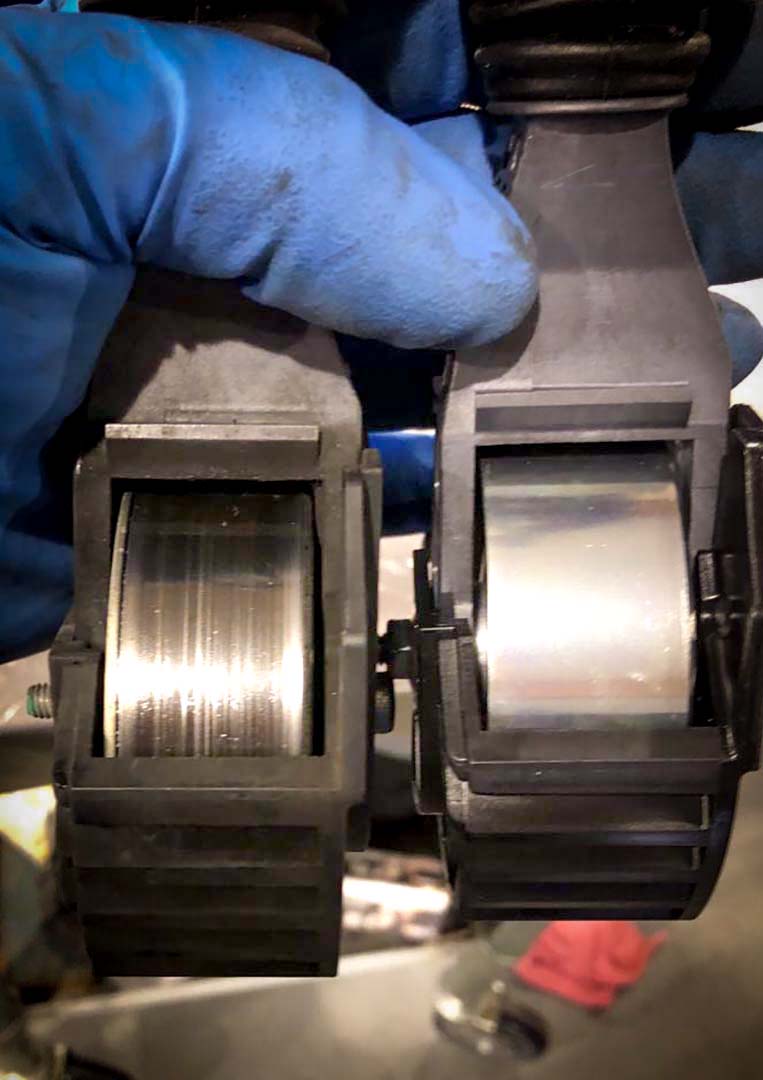
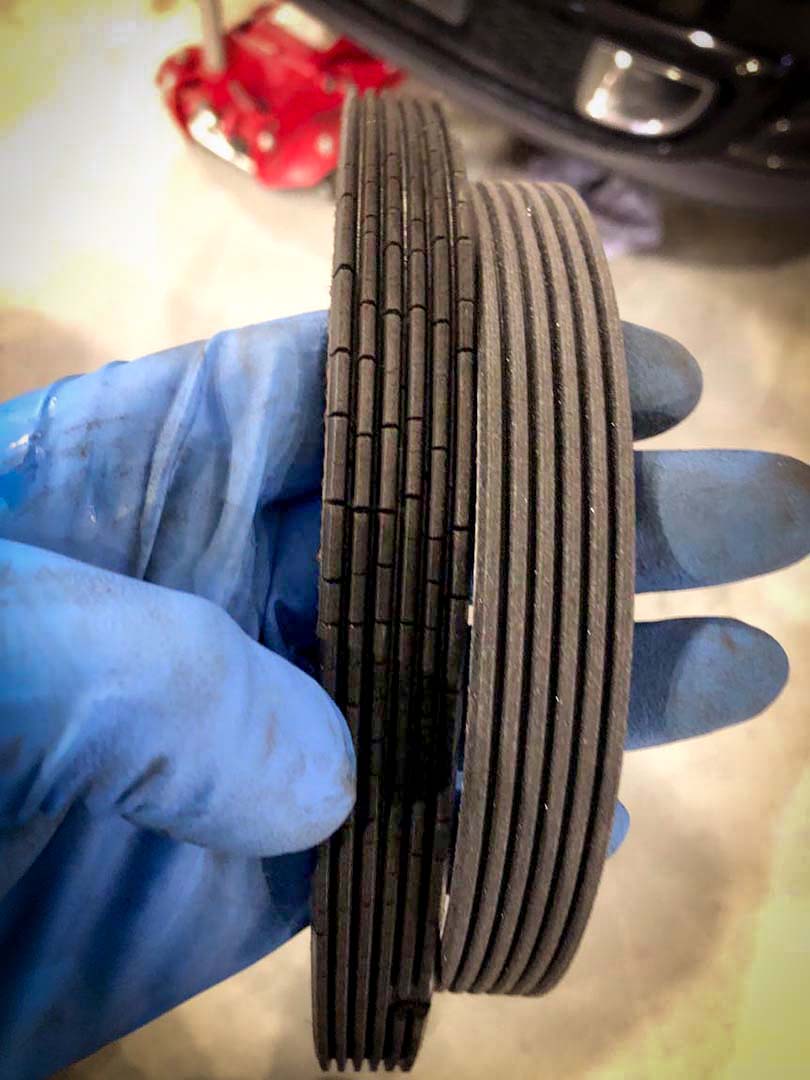
For example, replacing a worn-out water pump on your European car, without addressing the aging thermostat or radiator hoses, that might seem efficient. However, the new pump places increased stress on these older, weaker components, leading to their premature failure. For example, belts, tensioner assemblies, and idler pulleys. Due to the True Cost of Cheap, you’re back in the shop, facing another repair bill and downtime.
Furthermore, cheap, aftermarket parts often lack the quality and precision of genuine or original equipment supplier (OES) parts. This can result in poor fitment, reduced performance, and a shorter lifespan, ultimately requiring replacement sooner than expected.
The Meister Werks Approach: Comprehensive and Correct
At Meister Werks, we believe in doing the job right the first time. This means:
- Thorough Diagnostics: We don’t just fix the symptom; we identify the root cause. OBDII output tests and guided diagnostics on our factory scan tools will allow us to identify check engine lights and/or poorly running engines.
- Genuine or OES Parts: We use only the highest-quality parts that meet or exceed manufacturer specifications and will never void any warranties.
- Comprehensive Repairs: We address all related components that show signs of wear or potential failure. For example, when replacing a drive belt, we highly suggest replacing the idler and tensioner assemblies while performing this service. About 90% of the time, a new belt will cause pulleys to squeak and fail days or weeks after the replacement.
- Preventative Maintenance: We advise on preventative measures to avoid future issues. Another example, when replacing spark plugs, we highly suggest replacing the ignition coil packs at the same time.
True Cost of Cheap – Why Replacing Related Parts is Essential
Consider a suspension repair. Replacing a worn control arm without addressing the tie rod ends or ball joints is a short-sighted approach. The new control arm will place stress on these aging components, which are likely experiencing similar wear. This leads to premature failure, alignment issues, and compromised handling.
By replacing all related parts simultaneously, we ensure:
- System Harmony: All components work together optimally, extending their lifespan. (Belts, Idlers, and Tensioners)
- Improved Performance: Your car handles and performs as intended. (Shocks, Shock Mounts, & Stabilizers links)
- Long-Term Savings: You avoid repeat repairs and costly breakdowns.
- Peace of Mind: You know your vehicle is safe and reliable.
Investing in Quality, Not Quick Fixes
European cars deserve meticulous care. At Meister Werks, we prioritize quality, precision, and long-term reliability. We understand that a well-maintained vehicle is an investment in your safety, comfort, and driving enjoyment.
In conclusion, don’t let a “cheap” repair become an expensive mistake. Trust Meister Werks to provide the expert care your European car deserves. We do it right, so you can drive with confidence.
Meister Werks Parts Brands
* We also carry Genuine Mini, Volvo, SmartCar, etc., and all OES Manufacturer Brands for all makes and models.