 Meister Werks • News
- BMW & Mini Faulty FRM Module
The Faulty FRM Module Explained: Why Your BMW or MINI Cooper is Having Electrical Gremlins
If you own a modern BMW or a MINI Cooper, it is common that you will have Faulty FRM Module in. You might eventually encounter a day where your car’s electrical system seems to completely lose its mind. For Example, these vehicles include; BMW E90 3 Series, E70 X5, or E87 1 Series or R56 & R60. Just to name a few. The turn signals stop working, the power windows refuse to roll down, and the headlights stay on permanently—even when the switch is in the “off” position.
It is entirely understandable to feel panicked and assume your vehicle has a massive, unfixable wiring short. However, the reality is usually much less dramatic. These widespread electrical failures almost always point to a single, highly sensitive component: The FRM Module.
What is the FRM (Footwell) Module?
FRM is German for ‘Fussraummodul’, which translates to “Footwell Module.” Located exactly where the name suggests (behind the plastic kick panel in the driver’s side footwell), this computer is the central command center for your vehicle’s body electronics.
The FRM is responsible for controlling:
-
Exterior lighting (headlights, taillights, turn signals, hazard lights)
-
Interior cabin and dashboard lighting
-
Power windows
-
Exterior mirror adjustments
-
Central locking mechanisms
When this module crashes, it takes all of these comfort and safety systems down with it.
- Haldex Service
Why Your European Haldex System Demands Attention
If you drive an all-wheel-drive (AWD) European car, chances are you are benefiting from a Haldex system. Unlike traditional, full-time mechanical AWD, Haldex is a smart. It utilizes an electro-hydraulic system. In most applications, the car operates primarily in front-wheel drive to save fuel. This will instantly sending power to the rear wheels via an electronic clutch only when slip is detected. However, this brilliant engineering is often an overlooked for maintenance.
One of the most confusing aspects of servicing a Haldex-equipped vehicle is the rear axle. Many owners are surprised to learn that the rear assembly actually houses two completely separate fluid chambers.
Two Haldex fluids:
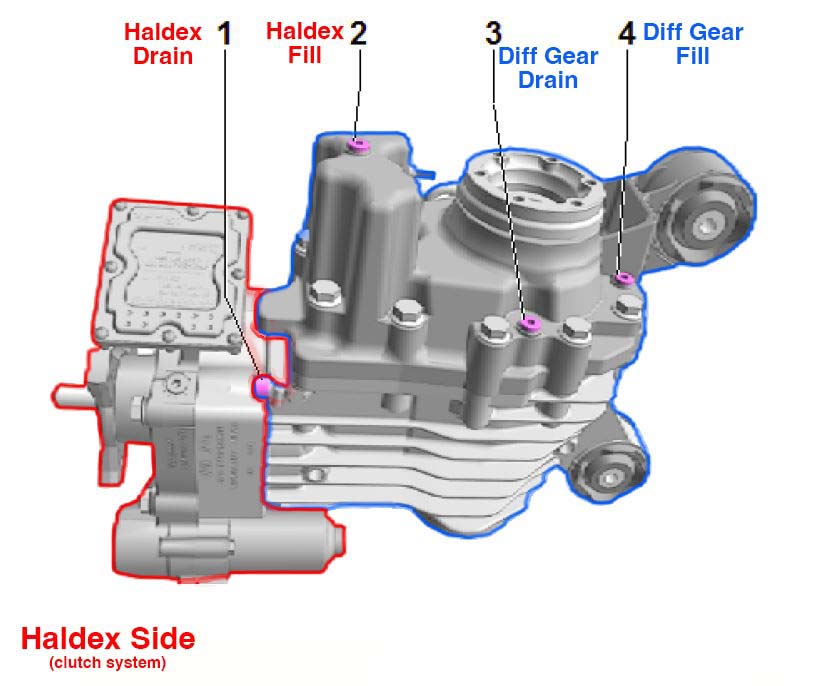 The rear assembly is essentially two components bolted together. First, you have the Haldex coupling itself, which is a wet multi-plate clutch pack controlled by an electronic pump. This requires a highly specialized, friction-modified hydraulic fluid to engage the clutches smoothly and transfer torque. Directly behind it sits the traditional mechanical rear differential, which uses heavy-duty gear oil (typically 75W-90) to lubricate the heavy metal ring and pinion gears that drive your axles.
These fluids do completely different jobs and must never be mixed. A notorious DIY mistake is draining the differential gear oil but accidentally topping off the Haldex chamber, leaving the mechanical gears bone-dry and the hydraulic clutches overfilled.
- Art of Diagnostics and Repairs
The Art of Diagnostics and Repairs:
Why Auto Repair Isn’t Always an Exact Science
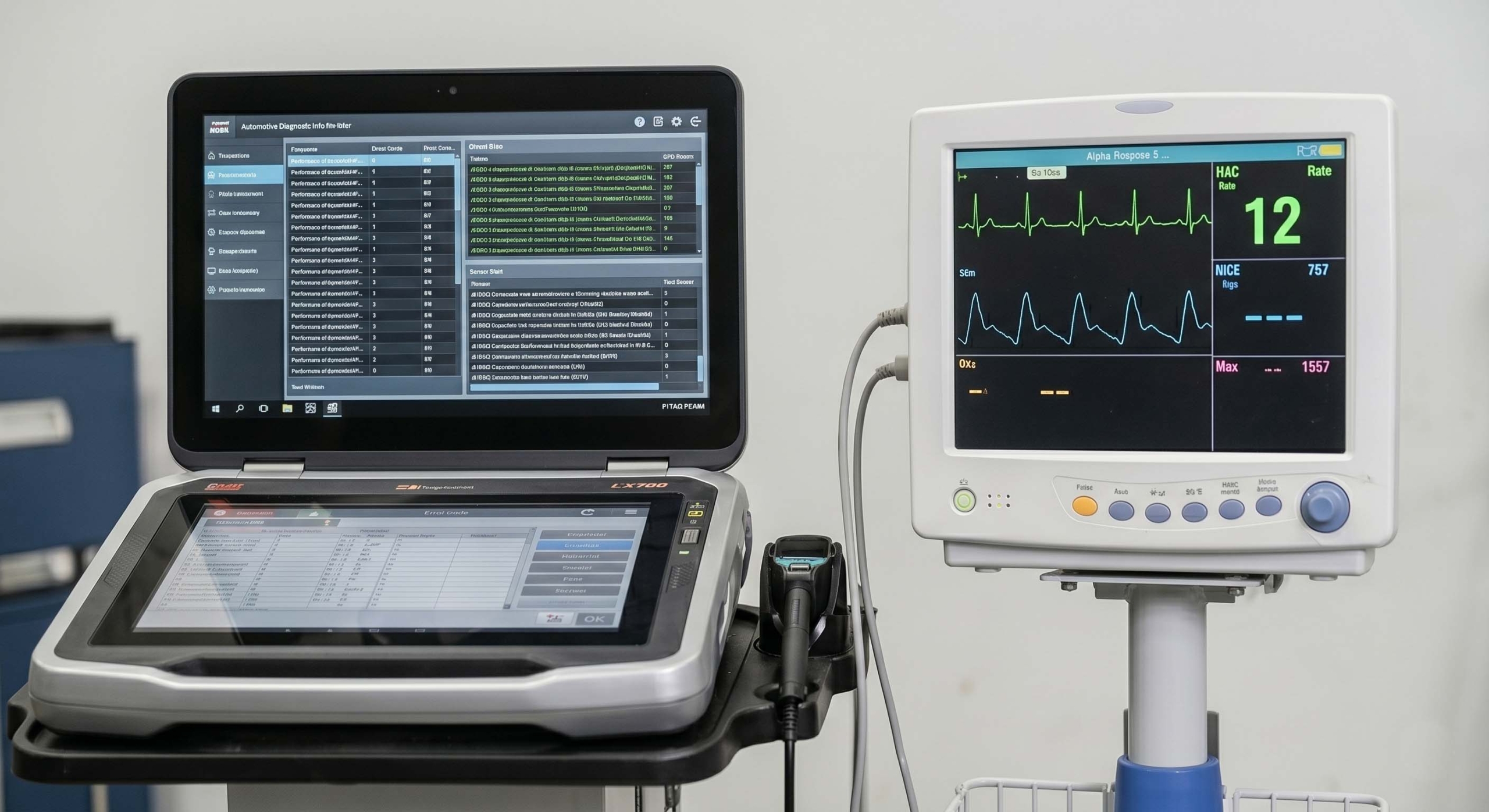
When you bring your European vehicle to a specialist for Diagnostics and Repairs, you likely expect a quick answer. You want to know exactly what is wrong. Furthermore, you will also want a guaranteed price for the fix. Most of the time, modern computer diagnostics allow us to provide that. However, there are instances where automotive repair feels less like simple math. Instead, it feels much more like practicing medicine. Especially for high end performance European vehicles.
The Doctor’s Dilemma
Imagine visiting a doctor because you have persistent chest pain. The doctor does not immediately wheel you into the operating room. First, they check your vitals and listen to your heart. They might run a blood test or order an X-ray. Even with these tools, the exact cause may remain hidden.
Is it a pulled muscle? Is it severe acid reflux? Or is it a developing heart condition? Often, a doctor prescribes a mild treatment first. They monitor your reaction to see if the symptoms subside. If the pain persists, they dig deeper with more expensive tests. Auto mechanics face this exact same challenge with complex European machinery.
- VW Mk5 Side Marker Bracket Repair
VW Mk5 Side Marker Repair Bracket – Front Bumper
At Meister Werks, we pride ourselves on solving the automotive problems, such as MK5 Side Marker Repair Bracket repair. This is something that others simply cannot perform. Recently, a customer brought his 2008 Volkswagen Golf R32 to our Renton facility with a frustrating issue: his front bumper side marker was missing, and the internal mounting bracket had completely disintegrated. Because these specific brackets are integrated into the bumper skin, they are not listed as individual parts in the Volkswagen ETKA factory catalog.
Faced with a “part not available” scenario from the dealership, we decided to leverage our advanced in-house technology to perform a permanent Mk5 Side Marker Repair.
The Challenge: When Factory Parts No Longer Exist
Originally, the customer attempted to secure the light with clear packing tape. 3M double-sided trim tape was also used with no avail. However, due to road vibration and heat, these temporary fixes failed. Moreover, the side marker was eventually lost while driving. The customer returned with new aftermarket LED lenses. When installing, we discovered there was absolutely nothing left inside the bumper to clip the lights into.
After an exhaustive search of VW ETKA databases and aftermarket kits yielded zero results. As a result, we realized that a standard replacement was impossible. Consequently, we turned to our 3D scanning and printing services to create a custom-engineered solution from scratch.
The Innovation: 3D Scanning for a Precision Fit
To begin this specialized Mk5 Side Marker Repair, we utilized our high-precision 3D scanner to capture the geometry of the intact bracket on the opposite side of the car.
-
Precision Engineering: We captured the existing bracket with an accuracy of 0.2mm, ensuring every clip and mounting point was perfectly replicated.
-
CAD Drafting: Once we had the digital file, we imported the data into CAD software. By “flopping” or mirroring the left-side scan, we were able to create an exact, right-side-specific replica that the factory never sold separately.
The Execution: 3D Printing with High-Performance Materials
After finalized the CAD files, it was time to move into production. For this Mk5 Side Marker Repair, we didn’t just use standard plastic; instead, we loaded our 3D printer with polycarbonate carbon fiber filament. For example, this material offers extreme heat resistance and structural rigidity, making it far more durable than the original factory plastic.
By utilizing a fine 0.2mm layer height, the finished part achieved a smooth, high-resolution finish. Once the print was complete, the customer’s new LED side marker clipped into our custom bracket with a satisfying, factory-spec “click.”
Permanent Installation with 3M Technology
For the final phase of the Mk5 Side Marker Repair, we needed something better than tape or epoxy. We required an adhesive that would create a permanent, structural bond. We stock 3M TPO 08239 Plastic Parts Repair adhesive, so we can perform these repairs any time.
-
Application: Using a dual caulk-style gun, we applied a 12mm bead of 3M adhesive around the perimeter of the new bracket.
-
The Bond: Because this specialized TPO adhesive has a working time of only 50 seconds. This requires professional speed and precision. Once applied, the bracket was held in position with blue tape on the outside. Oncet reached a full cure in approximately three minutes, the marker was ready to install.
The Result: Just Like a Factory Part
In the end, our custom-engineered Mk5 Side Marker Repair resulted in a fitment that was arguably stronger and more precise than OEM. The customer was able to repair his R32 side markers without the need for a new bumper or unsightly tape.
In conclusion, are you are struggling with a “NLA” (No Longer Available) part. Or maybe a part that is not available. Maybe you need a specialized Mk5 Side Marker Repair kit? Contact the experts at Meister Werks. We have the technology to build the parts the factory forgot.
- Porsche 356 Fuel Pump Overhaul
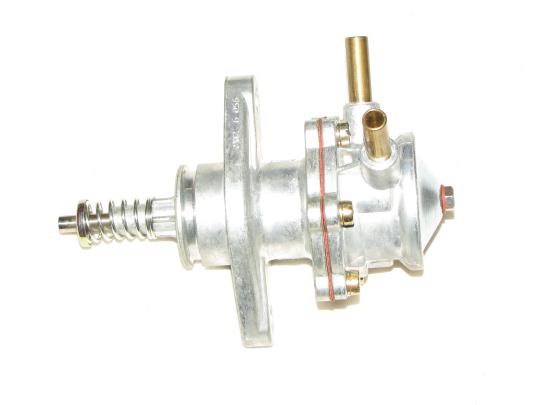
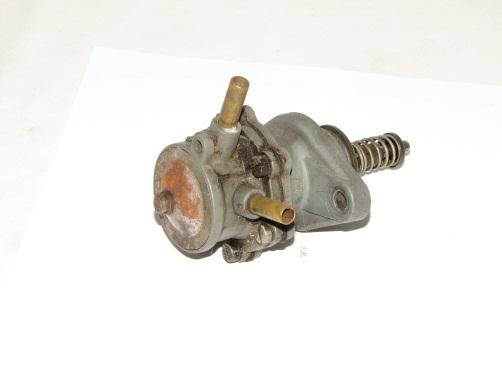
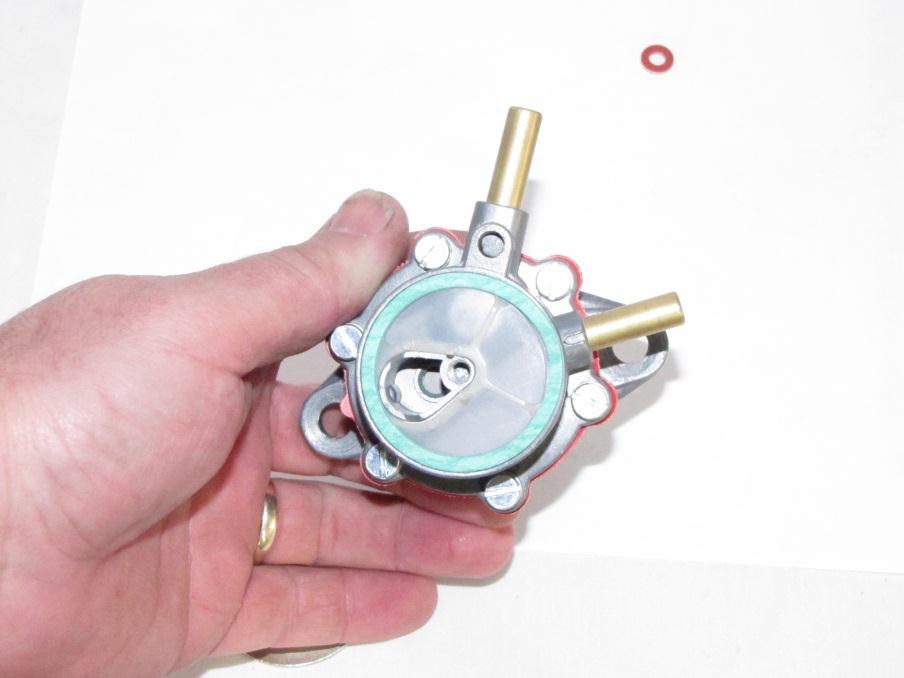
Porsche 356 & 912 Fuel Pump Overhaul Instructions
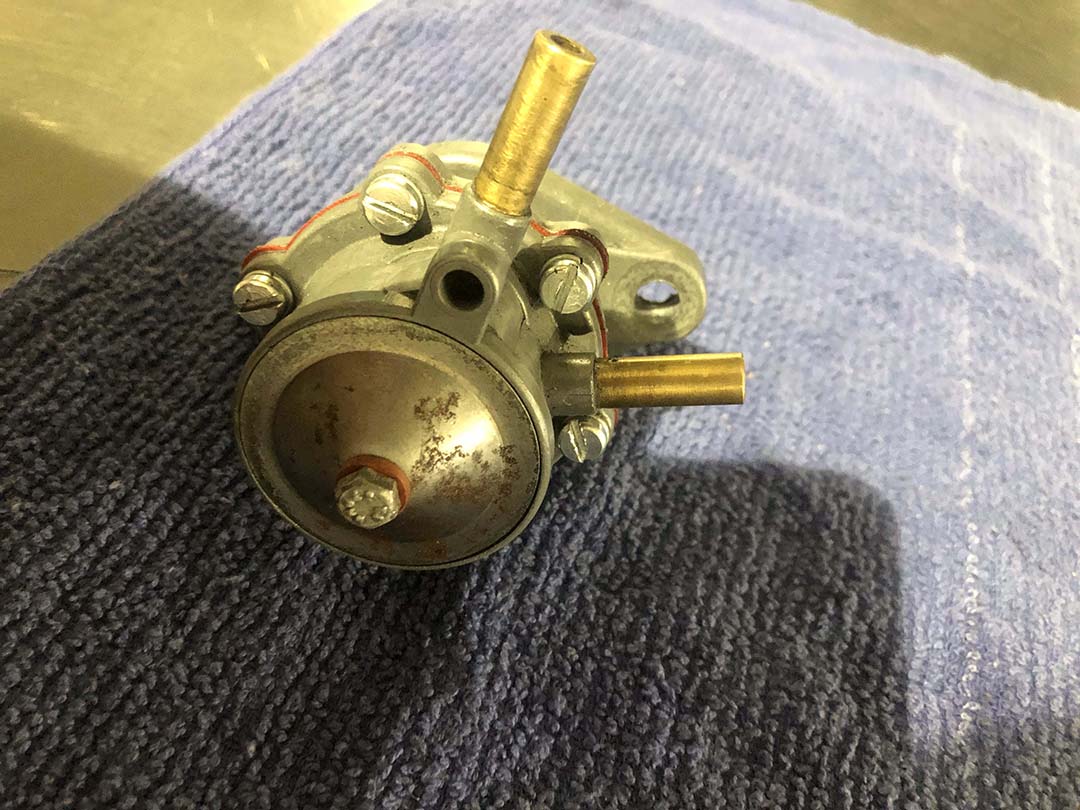
Perfroming an overhaul on a 356 Fuel Pump on your Porsche is a rewarding project. Any owner with basic mechanical skills can do this. This guide has the pumps found on the 356B Super, 356C, SC, and 912 models. Please read these instructions carefully before you begin work on your 356 Fuel Pump.
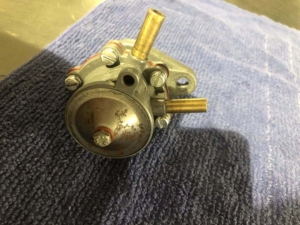 Safety First: Prepare Your Workspace
Gasoline is highly flammable, so you must use precautions. Always work in a well-ventilated area away from open flames.
-
Cool the Engine: Never work on the fuel system while the engine is hot.
-
Clean Spills: Wipe up any fuel spills immediately to prevent fire hazards.
-
Dispose of Rags: Place fuel-soaked towels in an approved metal container. They can spontaneously ignite if left in a pile.
1: Remove the Fuel Pump
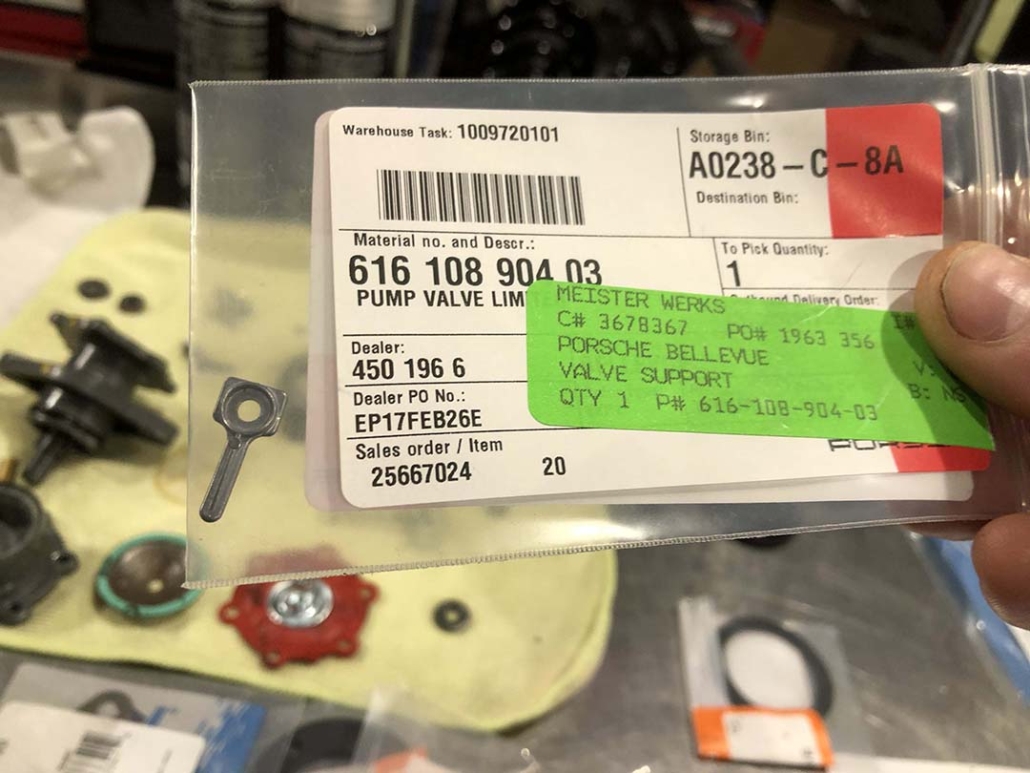
First, let the car cool completely to avoid fire risks. Locate the 356 Fuel Pump tin wear piece directly below the pump. After that, remove the two screws. Next, disconnect and plug both the inlet and outlet fuel pipes. Finally, remove the 8mm nuts and washers to pull the pump from the engine crankcase.
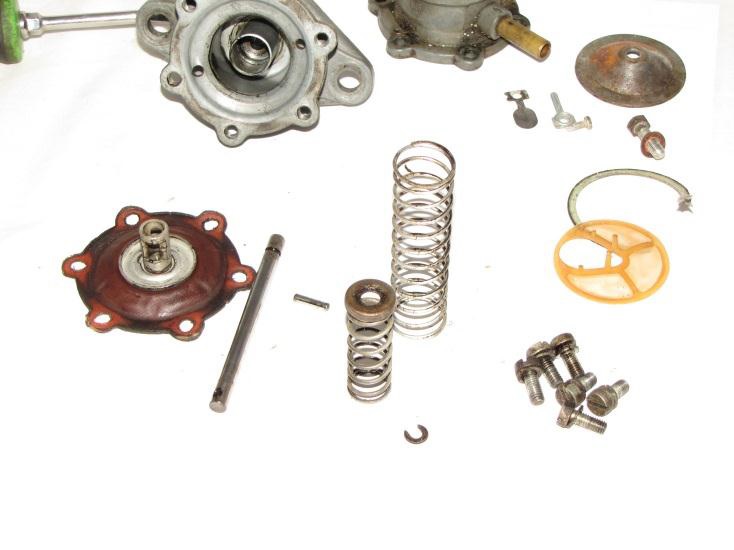
2: Disassemble the Unit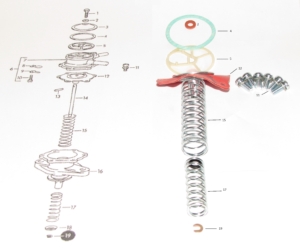
Drain any remaining fuel and note the direction of the inlet and outlet pipes. You will need this orientation for correct re-assembly of the 356 Fuel Pump later.
-
Open the Top: Remove the 5mm bolt from the top to take off the cover and filter screen.
-
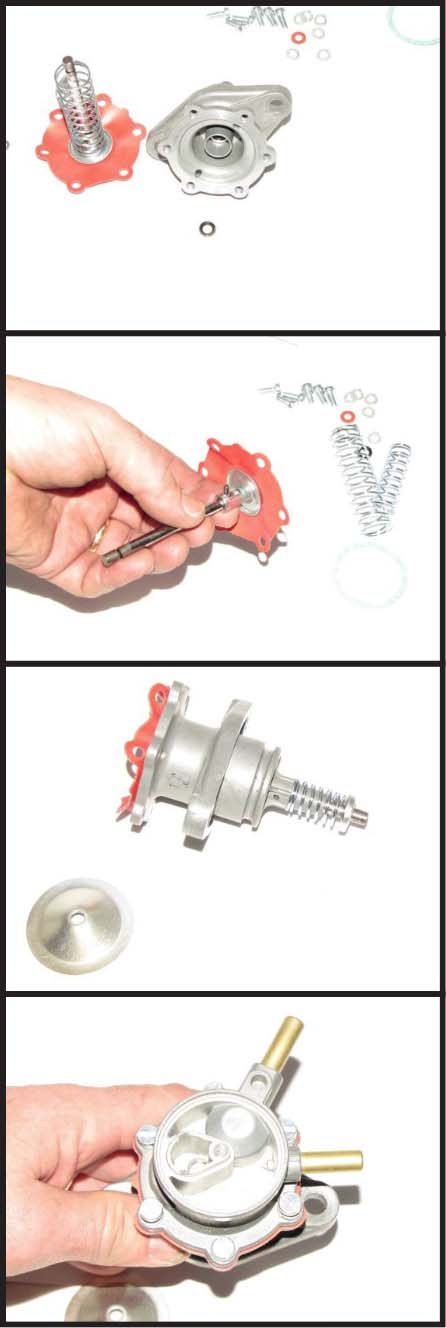
Separate the Housing: Remove the six flat-head screws around the body to separate the top and bottom halves.
-
Remove the Diaphragm: Compress the pump spring on the housing and slide out the retaining clip. Carefully release the tension, then pull the diaphragm and shaft assembly from the pump.
3: Cleaning and Surface Prep
Clean both housings and the top filter plate thoroughly. You can use a parts washer or a media blaster with fine glass beads.
-
Protect the Valves: Do not blast the check valves, as damage will cause the Pump to fail.
-
Resurface Gaskets: Warped gasket surfaces lead to leaks. Use 400-grit wet sandpaper on a flat surface to smooth the housing faces.
-
Final Wash: Re-clean every part after blasting to remove any lingering grit.
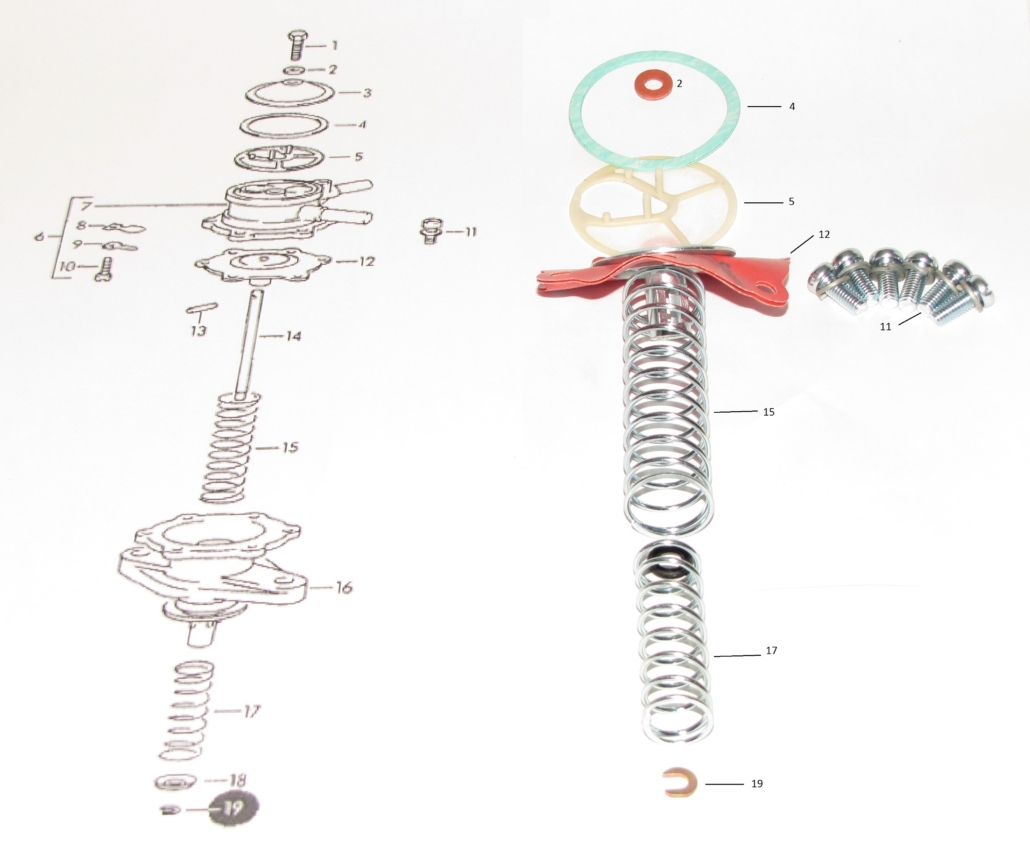
4: Re-assemble the 356 Fuel Pump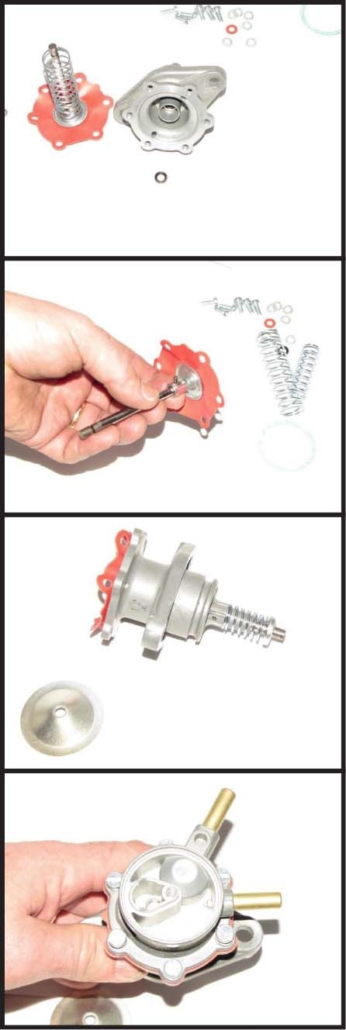
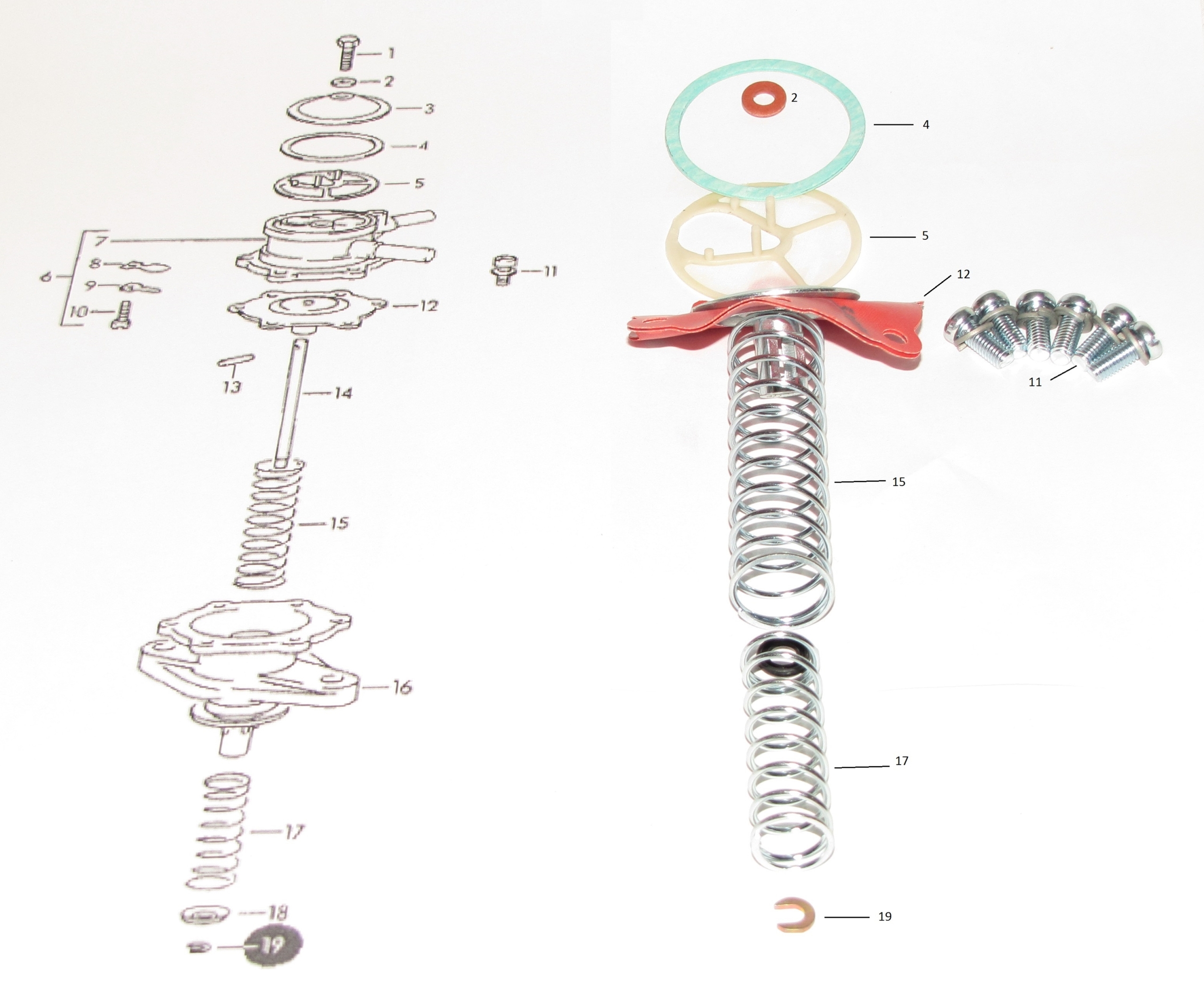
Lay out all parts from your repair kit on a clean surface. Start by checking the shaft seal in the lower body. For example, if it is hard or cracked, pry it out carefully and press in a new one lubricated with silicone grease.
-
Install the Shaft: Attach the pump shaft to the new diaphragm using the retaining pin. Next, place the inner return spring into the lower housing and slide the assembly into place.
-
Add Tension: Install the outer return spring, compress it, and secure the retainer clip.
-
Join the Halves: Align the top and bottom housings based on your earlier notes. Then, tighten the new body screws evenly in a criss-cross pattern while applying pressure to the pump shaft.
Once installed, always check for leaks before you operate the vehicle. As a redult, Meister Werks will be help you. We will “make it right” for your vintage Porsche!
- Art of Diagnostics and Repairs
- Porsche PDK & Audi S-Tronic Fluid Services
- Resetting Porsche Service Light – SFD vs SFD2
- BMW X1 Front Knocking Noise Repair
- Mini Repair & Services
- VW Repair & Services
- Porsche Repair & Services
- Audi Repair & Services
- BMW Repair & Services
- Mercedes Repair & Services
- GIAC Porsche Performance Software Tuning
- Mercedes Sunroof Repairs
- Renton European Auto Repair
- 10% Discount for PNW Miniacs Mini Car Club Members
- We Are Open – Many Free Services Available!
- Saturday Appointments By Appointment Only
- In Stock Items on Sale – VW Audi Intercooler, Golf R Downpipe & Mk7 GTI Seibon Lip Spoiler
- Unitronic Performance Software & 2019 Fall Specials
- 2.0T Reinforced Oil Pan – Now Available
- Painting Brake Calipers
- Performance Tune – 2018 Golf R
- Need to contact us for a repair after hours?
- Porsche 911 / 997 Twin Turbo Service & Inspection
- Fuel Injector Cleaning & Testing
- Gift Certificates
- 30% off Wheel Spacers – December 7th & 8th
- BMW & Mercedes Benz Repair
- 605hp Audi R8 v10
- H&R 2010-2017 Lowering Springs MercedesBenz E-Class
- Wheel Spacers – We’ve got ’em
- Dueling BMW X5
- Mercedes Benz SL500 Custom Work
- Meister Werks + Liqui Moly
- Porsche 911 Carrera 4S – Engine Rebuild
- Ksport Control Pro Coilovers Specials – JDM Applications
- More Detailing – Mercedes-Benz SL500
- Porsche 911 / 996 Diagnostic
- Mercedes Benz Wheels, Tires and Spacers
- Car Care Month means savings for you!
- Porsche 911 Carrera 4s Cabriolet – Engine Rebuild & Install
- Project Audi R8 Spyder
- Rotiform Wheels – Minor Wheel Repair
- Head Gasket
- BMW 745Li in for a service
- Switchpath Audi R8
- Audi S5 Alignment & Mercedes S550 Inspection
- Audi R8 Custom Work
- BMW 750Li ABS brake module – Repair & Maintenance
- New Equipment – Even Better Service at The Renton Landing!
Meister Werks • In the Shop & Images
- VW Mk5 Side Marker Bracket Repair
- Porsche PDK & Audi S-Tronic Fluid Services
- BMW B58 Cold Air Intake MAF Repair – Custom Gasket for CAI
- Mini Cooper S R53 – Mechanical Refurbish
- Resetting Porsche Service Light – SFD vs SFD2
- 2002 BMW Z3 M Roadster Check Engine Light Repair
- 1971 Mercedes 280SL Pagoda
- 1990 Rover Classic Mini Cooper
- Land Rover Range Rover Headlight Refurb
- Mercedes C230 Coupe Headlight Refurbish
- 1972 Karmann Ghia For Sale
- Custom Maserati Steering Wheel
- Aftermarket vs Genuine Parts
- 2004 VW R32 – Headlight Lens Refurbishing
- Custom 1990 Mercedes-Benz 500SL Air Suspension
- 1972 BMW 2002 Center Console
- Differential Pinion Flange Repair – BMW F Body
- Throttle Body Solution Early Audi V8
- Porsche Cayman S End Link Repair
- Custom Heat Shield – BMW E24
- 1998 Jaguar XJR Cooling Fan Conversion
- European BMW 635csi
- Wrapping up the 1984 Porsche 928S Project
- T4 Eurovan Coolant Bottle Bracket Adapter
- 1984 Porsche 928 S Bumper Grill Restoration
- 1960 Porsche 356b Shifter Rebuild
- Project 1991 Mercedes-Benz 560sec
- Vintage Car Week at Meister Werks
- 500+ HP Audi TTRS
- Custom Wheel Refinishing
- 2002 Dinan E46 M3 Service
- Tracy’s Project 2018 New Beetle Coast – Part 1
- Mercedes AMG Powder Coated Wheels
- 2019 GT3 RS Supercar Service
- 1981 Delorean DMC-12 Project
- Custom Porsche Cayman
- Ford Focus RS – Air Ride install and Cobb Tune
- In the Shop, 1973 Porsche 914
- 2018 Mini Cooper Edition 7 – H&R Lowering Springs Install
- At Meister Werks, we are all enthusiasts…
Meister Werks • Information & Tech
- BMW & Mini Faulty FRM Module
- Haldex Service
- Art of Diagnostics and Repairs
- VW Mk5 Side Marker Bracket Repair
- Porsche 356 Fuel Pump Overhaul
- Porsche PDK & Audi S-Tronic Fluid Services
- BMW B58 Cold Air Intake MAF Repair – Custom Gasket for CAI
- Resetting Porsche Service Light – SFD vs SFD2
- 2002 BMW Z3 M Roadster Check Engine Light Repair
- Do your Liqui Moly 20L Bottles Leak?
- Why Replacing Brake Rotors is Necessary
- Land Rover Range Rover Headlight Refurb
- Mercedes C230 Coupe Headlight Refurbish
- Aftermarket vs Genuine Parts
- BMW X1 Front Knocking Noise Repair
- 2004 VW R32 – Headlight Lens Refurbishing
- The True Cost of Cheap – Why Quality European Auto Repair Matters
- BMW Battery Replacement Information
- 1972 BMW 2002 Center Console
- Porsche Spark Plugs Replacement
- Differential Pinion Flange Repair – BMW F Body
- Throttle Body Solution Early Audi V8
- NASFT Mercedes Benz TRP D1 Work Around
- Aftermarket Auto Warranties – Why They Are A Scam
- 1998 Jaguar XJR Cooling Fan Conversion
- Repairing HVAC Fan Motor Resistors / Blower Motors
- Volkswagen Mk2 Digifiz Manual
- Project 1991 Mercedes-Benz 560sec
- Code, Update & Program Control Modules
- Porsche 911 / 996 Headlight Refurbishing
- Audi S4 3.0t PCV Coolant Leak w/ Carbon Cleaning
- BMW Wheel Alignment
- Mounting and Balancing Tires on Flat Lip 3 Piece Wheels
- VW Scirocco Brake Upgrade
- Headlight Refurbishing Mercedes E320 CDI W211
- Mercedes CLS63 AMG S W218 – Wheel Alignment
- Porsche Cayman – Porsche Club of America Event Prep – Factory Recommended Service
- Brake fluid test
- 2003 Mercedes E320 W211
- A Quality Oil Filter is Important
- 2005 Mini Cooper S Fog Light Install
- Free Alternator & Battery Testing!
- Porsche Cayenne – Getting all the Flushes
- Mk5 VW GTI Stage 2 Clutch
- Mercedes Benz Factory Air Suspension
- Detailing Serivces
- Wrong coolant issue
- BMW Service Engine Soon Light
- Carbon Clean Induction Services From BG
- Brake Fluid Power Bleeding
- Cold Air Intakes – Mk6/5 Jetta / GTI
Meister Werks • Performance
- Porsche PDK & Audi S-Tronic Fluid Services
- BMW B58 Cold Air Intake MAF Repair – Custom Gasket for CAI
- Resetting Porsche Service Light – SFD vs SFD2
- 1972 Karmann Ghia For Sale
- Custom Maserati Steering Wheel
- BMW X1 Front Knocking Noise Repair
- Custom 1990 Mercedes-Benz 500SL Air Suspension
- Throttle Body Solution Early Audi V8
- Aftermarket Auto Warranties – Why They Are A Scam
- GIAC Porsche Performance Software Tuning
- Custom Heat Shield – BMW E24
- What are Mercedes Service A & B?
- DIY Powder Coating Oven Build – 2010
- European BMW 635csi
- T4 Eurovan Coolant Bottle Bracket Adapter
- Cobra 8 Channel Surveillance System – Hard Drive Upgrade
- 500+ HP Audi TTRS
- 2018 Mini Cooper Edition 7 – H&R Lowering Springs Install